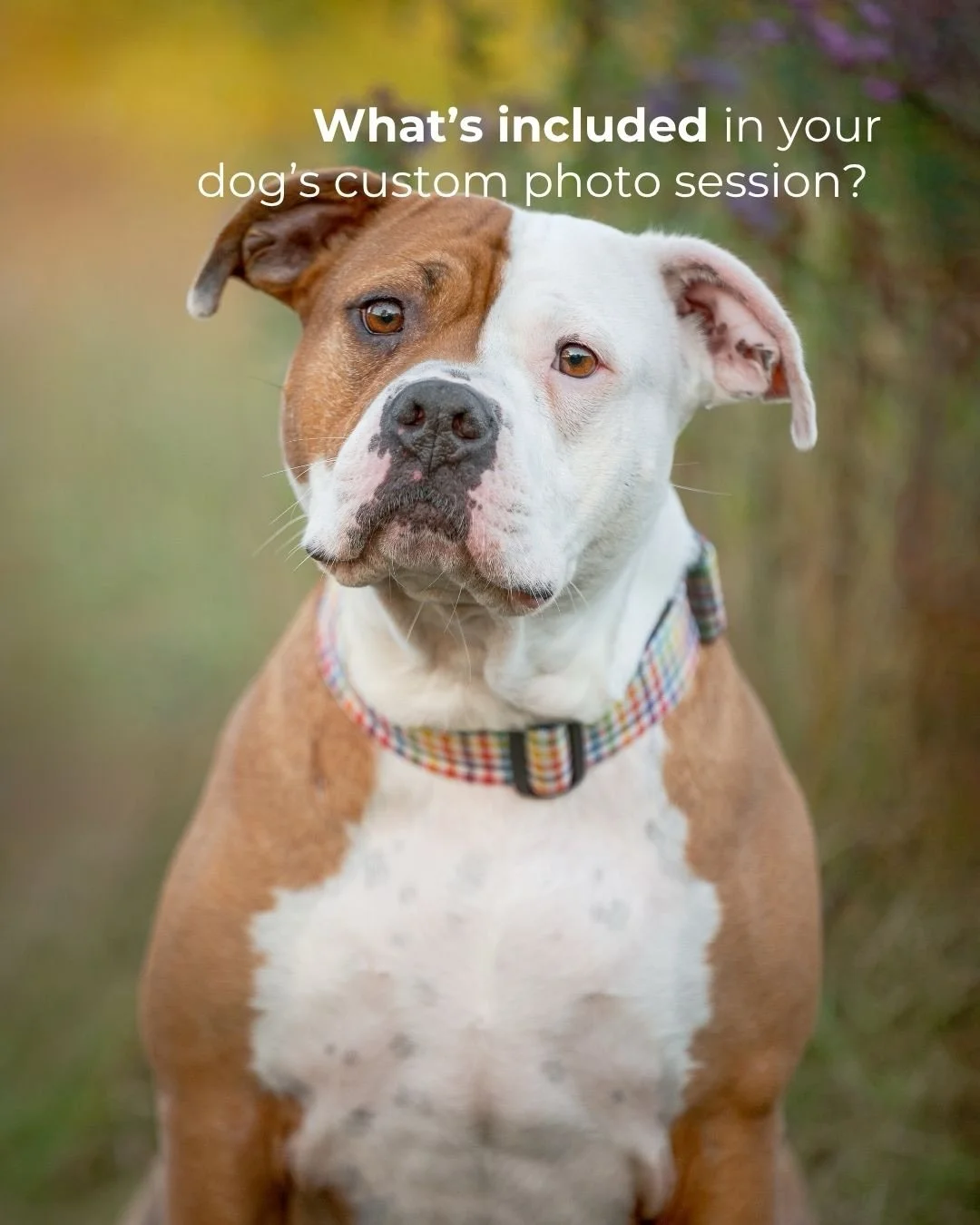
Unleashing the Extraordinary: Recognizing the Valuable Contributions of K9 Heroes
In my latest blog post, I delve into the incredible world of canine service dogs for veterans, shedding light on the profound connection between these heroes and their human counterparts. From navigating daily challenges to providing emotional support and independence, these remarkable dogs play an invaluable role in the lives of our veterans. Join me as I explore the journey of resilience, companionship, and unwavering loyalty, beautifully depicted through the lens of my pet photography.
Service dogs play a vital role in the lives of individuals with disabilities, providing them with the support they need to navigate the challenges of daily life. These highly trained animals are not just pets; they are partners, companions, and lifelines. Service dogs offer a unique set of skills and abilities that enable their handlers to live more independent and fulfilling lives.
One of the most significant benefits of having a service dog is the companionship they provide. Many individuals with disabilities face social isolation and loneliness, but service dogs offer unwavering loyalty and companionship. These furry friends become an integral part of their handlers' lives, offering emotional support and a constant source of comfort.
Service dogs are trained to perform specific tasks that cater to their handlers' unique needs. For individuals with mobility impairments, service dogs assist with tasks such as opening doors, retrieving objects, and even helping with daily dressing routines. These tasks not only alleviate physical challenges but also enhance the individual's sense of self-worth and independence.
In addition to physical assistance, service dogs offer emotional support, particularly for those with mental health conditions. These remarkable animals are trained to detect and respond to signs of anxiety, panic attacks, or depression. By providing a calming presence and performing grounding techniques, service dogs help their handlers manage their emotional well-being.
The impact of service dogs extends beyond their immediate handlers. They significantly contribute to breaking down barriers and misconceptions surrounding disabilities. By accompanying their handlers in public spaces, service dogs help raise awareness and educate others about the rights and capabilities of individuals with disabilities. Service dogs are truly heroes, enabling their handlers to live fuller lives despite their disabilities. As we celebrate National Service Dog Month, it is important to recognize and honor these true K9 heroes.
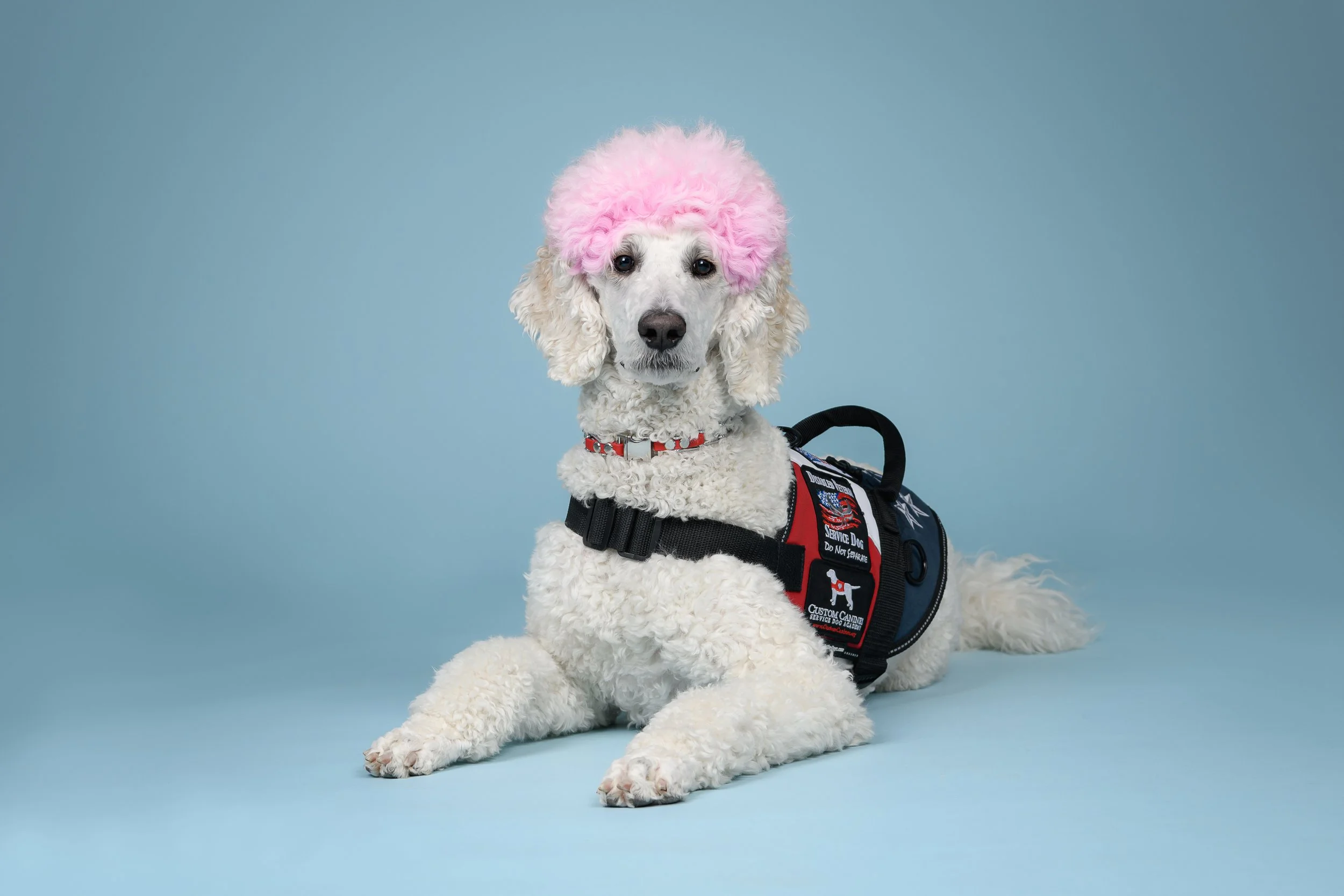
Pearl is a Service Dog for a U.S. Vietnam Veteran
The Role of Service Dogs in Different Fields
Service dogs have a remarkable ability to adapt to various roles and fields, depending on the specific needs of their handlers. These highly trained animals serve in a range of professions, from assisting individuals with physical disabilities to supporting veterans with post-traumatic stress disorder (PTSD). Here are some of the key roles service dogs play in different fields:
Mobility Assistance: Service dogs trained for mobility assistance provide invaluable support to individuals with physical disabilities, including those who use wheelchairs or have limited mobility. These dogs are trained to perform tasks such as retrieving dropped items, opening doors, and even pulling wheelchairs. By assisting with these daily activities, service dogs enhance their handlers' mobility and independence.
Medical Alert Dogs: Medical alert dogs are trained to detect changes in their handlers' medical conditions and alert them accordingly. For example, some service dogs are trained to detect changes in blood sugar levels for individuals with diabetes. These dogs can alert their handlers when their blood sugar is too high or too low, allowing them to take necessary precautions or seek medical attention.
Psychiatric Service Dogs: Psychiatric service dogs provide support to individuals with mental health conditions, such as PTSD, anxiety disorders, or depression. These dogs are trained to recognize signs of distress and perform specific tasks to help their handlers manage their symptoms. For example, a psychiatric service dog may provide deep pressure therapy during a panic attack or create a physical barrier between their handler and others in crowded spaces.
Autism Assistance Dogs: Autism assistance dogs are trained to support individuals on the autism spectrum. These dogs provide companionship, emotional support, and even assistance with daily routines. They can help with communication, behavior and social interaction.
Guide Dogs: Assistance dogs who lead visually impaired people navigate walkways and around obstacles and hearing dogs who assist by alerting to noises, often guiding the individual to the source of the sound are likely the most well-known (and were the first types of service dogs).
These are just a few examples of the diverse roles service dogs play in different fields. Their adaptability, intelligence, and unwavering dedication make them indispensable partners to the individuals they serve.
How Service Dogs are Trained and Certified
The training process for service dogs is a meticulous and intensive journey that ensures they acquire the necessary skills to assist their handlers effectively. From basic obedience training to specialized tasks, service dogs undergo rigorous training under the guidance of professional trainers. Let's take a closer look at how service dogs are trained and certified:
Puppy Selection: The training process typically begins with selecting suitable puppies with the right temperament and characteristics for service work. Dogs chosen for service training display qualities such as intelligence, trainability, and a calm and friendly disposition. Breeds commonly selected for service work include Labrador Retrievers, Golden Retrievers, Standard Poodles and German Shepherds, but any breed can become a service dog with the right qualities. The suitability of a breed for service dog work depends on various factors, including their trainability, energy level, size, and temperament. It is important to consider the specific needs and requirements of the individual with a disability when selecting a breed. Mixed breed dogs can also make excellent service dogs, and many organizations actively train and place mixed breed dogs based on their individual qualities and abilities.
Basic Obedience Training: Once the puppies are selected, they undergo basic obedience training to establish good manners and behavior. This training includes commands such as sit, stay, heel, and come. It forms the foundation for more advanced training and ensures that the dogs are well-behaved in public settings.
Task-Specific Training: After the completion of basic obedience training, service dogs move on to task-specific training. This phase involves teaching the dogs specialized tasks tailored to their handlers' specific needs. For example, a service dog assisting an individual with mobility impairments will learn tasks such as retrieving objects, opening doors, or providing balance support. The training is conducted using positive reinforcement techniques to encourage desired behaviors.
Public Access Training: Service dogs must be comfortable and well-behaved in public settings. They undergo extensive socialization and public access training to ensure they can confidently accompany their handlers in various environments. This training exposes the dogs to different sights, sounds, and distractions they may encounter in public spaces, enabling them to remain focused on their tasks.
Certification and Testing: Once the training is complete, service dogs undergo certification and testing to assess their skills and readiness for service work. Certification requirements may vary depending on the country or organization. Dogs are evaluated on their ability to perform specific tasks reliably and maintain good behavior in public settings. Certification provides assurance to the public that the service dog meets certain standards of training and behavior.
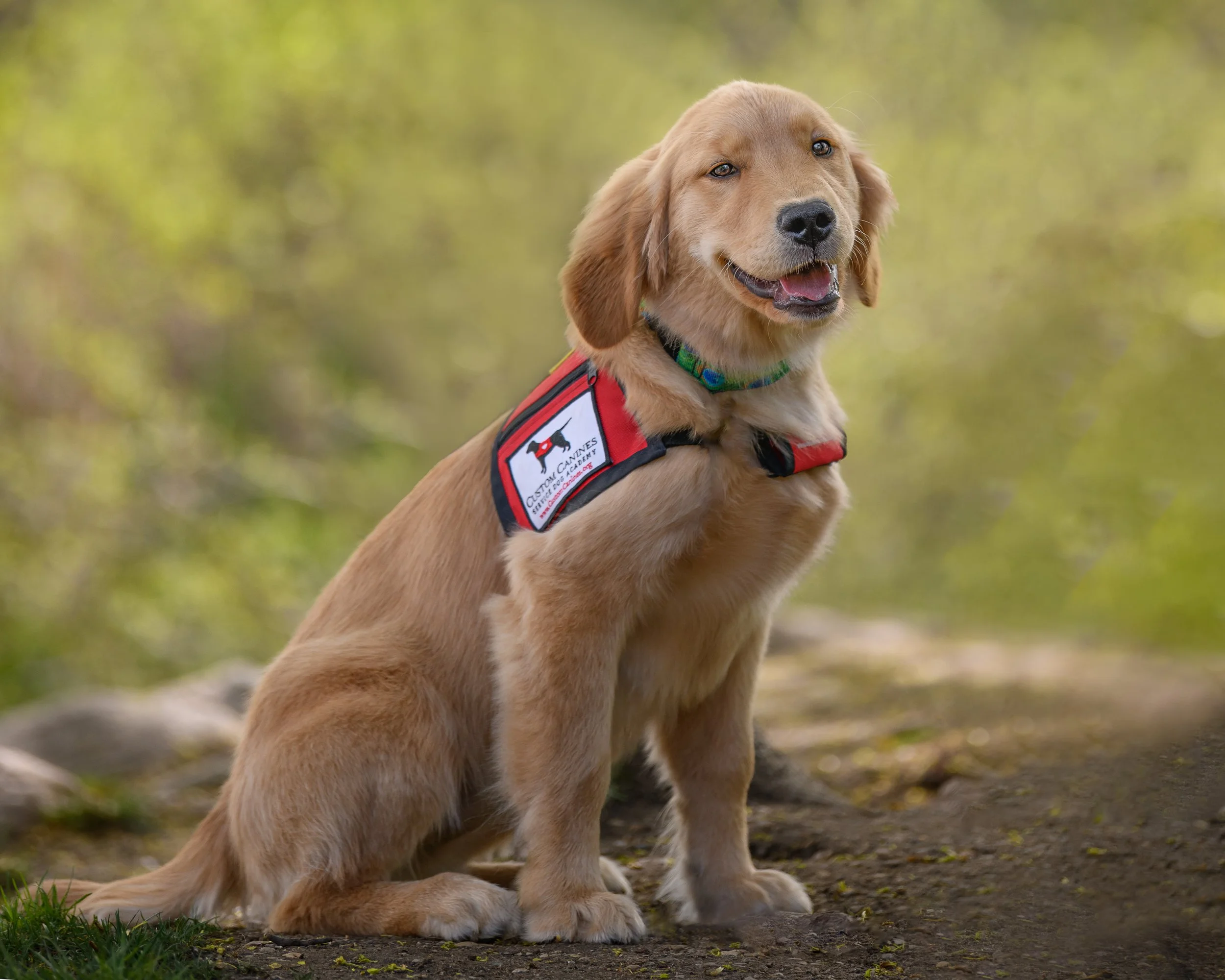
Mia is a Service Dog in training.
The training time for a service dog can vary depending on various factors, including the type of tasks they are trained for and the individual dog's abilities. On average, it can take anywhere from 18 months to 2 years to fully train a service dog. The training process involves multiple stages, starting with basic obedience training and gradually progressing to specialized tasks. The duration of each stage depends on the dog's progress and the complexity of the tasks being taught. It is important to note that service dogs require ongoing training and reinforcement throughout their lives to maintain their skills and behavior. Handlers and service dog organizations work together to ensure the ongoing well-being and training of these remarkable animals.
How can I get a service dog?
Getting a service dog involves a thorough process to ensure that the dog is well-suited to the individual's needs and that the partnership will be successful. Here are the general steps to obtaining a service dog:
Determine eligibility: The first step is to determine if you meet the eligibility criteria for a service dog. This usually involves having a disability that substantially limits one or more major life activities.
Research organizations: Research reputable service dog organizations or trainers that specialize in training service dogs for your specific disability. Look for organizations that have a good track record and positive reviews.
Apply and undergo assessment: Once you have identified a potential organization, you will need to fill out an application and undergo an assessment. This assessment may involve interviews, medical documentation, and assessments of your living situation and support network.
Training and matching: If accepted into a program, you will begin the training process. This can involve attending training sessions with your dog, learning how to handle and care for them, and practicing the specific tasks they will perform. The organization will work to match you with a suitable dog based on your needs and preferences.
Graduation and ongoing support: Once you and your service dog have successfully completed the training program, you will graduate and begin your life together. Many organizations provide ongoing support and follow-up to ensure the success of the partnership.
How are service dogs different from therapy dogs and emotional support animals?
Service dogs, therapy dogs, and emotional support animals serve different roles and have different legal protections. Service dogs are trained to perform specific tasks to assist individuals with disabilities and are protected by the ADA. They have full access rights to public places, transportation, and housing, regardless of any pet restrictions or policies.
Therapy dogs, on the other hand, are trained to provide comfort and companionship to people in hospitals, nursing homes, schools, and other settings. They are not considered service dogs and do not have the same legal rights or public access privileges. Therapy dogs are usually handled by trained volunteers or professionals and require permission to enter facilities.
Emotional support animals (ESAs) provide emotional comfort to individuals with diagnosed mental health conditions. While they can provide important therapeutic benefits, ESAs do not have the same legal protections as service dogs. ESAs are allowed in housing under the Fair Housing Act and on flights under the Air Carrier Access Act but are not granted public access rights.
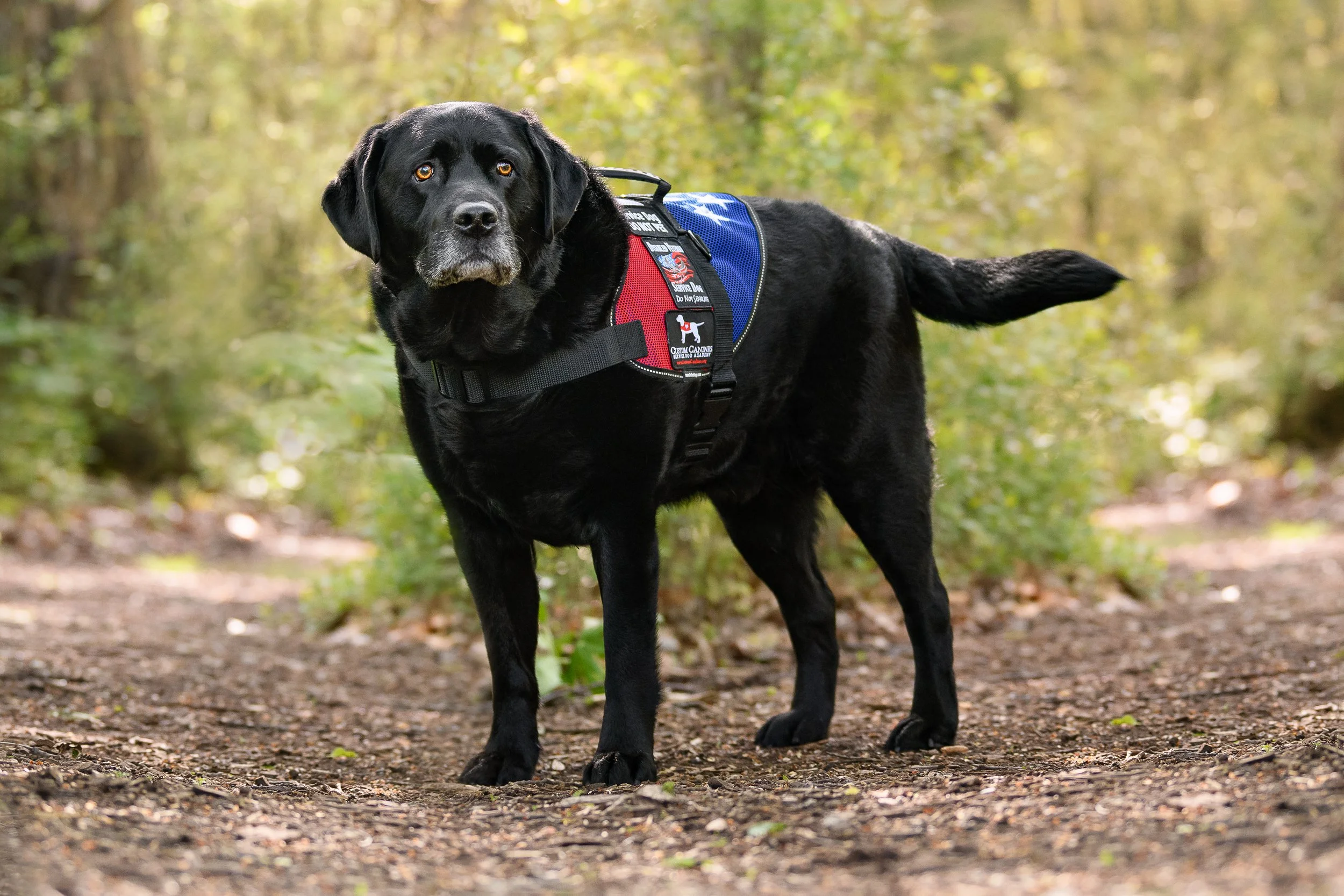
Whiskey is a service dog for a U.S. Veteran.
Ways to Support Service Dogs and Their Organizations
Service dogs and the organizations that train and place them rely on support from individuals and communities. Here are some meaningful ways you can contribute to the well-being of service dogs and help them continue their life-changing work:
Volunteer: Many service dog organizations welcome volunteers who can assist with various tasks, such as puppy socialization, administrative work, or fundraising events. Volunteering your time and skills can make a significant impact on these organizations and the dogs they train.
Donate: Financial contributions are crucial for service dog organizations to cover the costs associated with training, veterinary care, and ongoing support for the dogs. Consider making a donation to a reputable service dog organization to support their mission.
Sponsor a Service Dog: Sponsoring a service dog is a meaningful way to make a direct impact on the life of an individual with a disability. By covering the expenses associated with training and placing a service dog, you can provide someone in need with a life-changing companion.
Spread Awareness: Raise awareness about the importance of service dogs and the rights of individuals with disabilities. Share information on social media, participate in awareness campaigns, or organize events to educate others about the impact of service dogs on individuals and communities.
Respect Boundaries: When encountering a service dog team in public, it is essential to respect their boundaries. Do not approach or distract the dog without permission from the handler. Remember that these dogs are working and require focus to assist their handlers effectively.
Support Legislation: Stay informed about legislation related to service dogs and advocate for their rights and access to public spaces. Support initiatives that promote inclusivity and equal opportunities for individuals with disabilities.
Service dogs are remarkable companions that provide invaluable assistance and support to individuals with disabilities. By supporting service dogs and their organizations, you contribute to the positive change they bring to the lives of individuals with disabilities. National Service Dog Month is an opportunity recognize the invaluable role of service dogs in transforming lives. Let us celebrate these exceptional K9 heroes and express our gratitude for their unwavering service!